France isn’t just meant to be visited — it’s meant to be tasted as well. Its wines tell the story of its landscapes in vivid ways.
This blog doesn’t aim to be exhaustive or expert: I’m neither a specialist nor a wine connoisseur. But as we wander, vineyards and estates naturally come into view, and it’s this meeting point between a place, a land, and a wine — discovered along the way — that I’m happy to share here.
Pic Saint-Loup
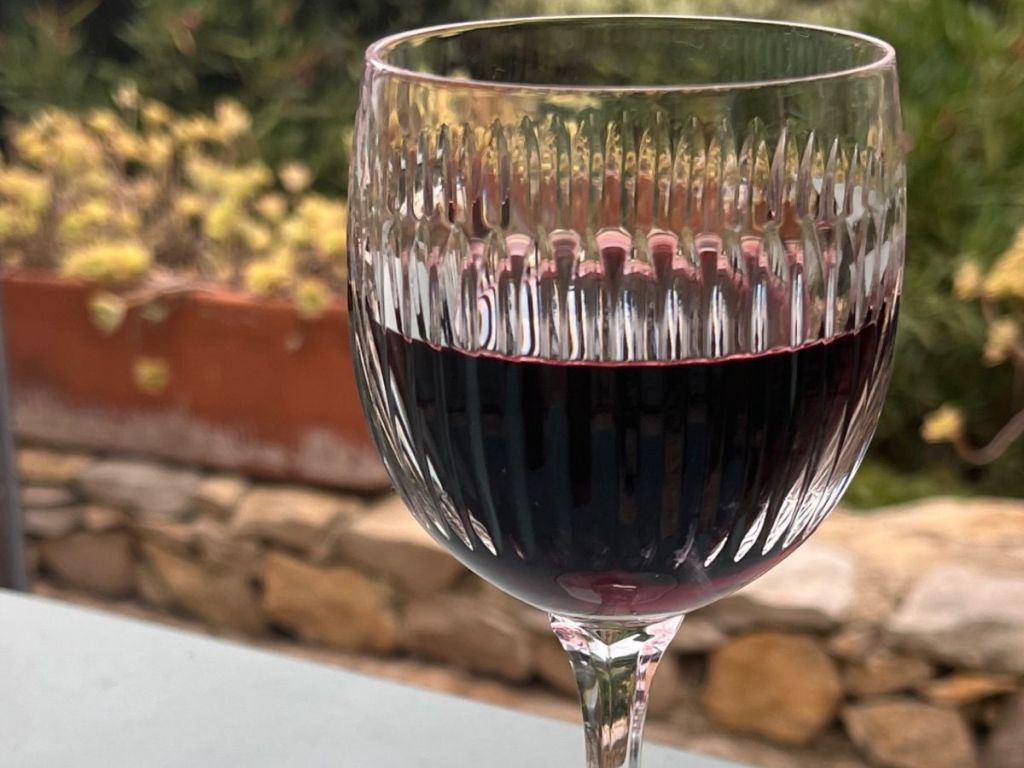
Pic Saint-Loup: red fruits, Mediterranean herbs, and the character of the garrigue ©Algoma
North of Montpellier, among the wines of the Languedoc region, one name— officially recognized as an AOC in 2017—has earned a place of its own: Pic Saint-Loup.
The wine—available as either red or rosé—takes its name from a mountain with a distinctive profile, featuring a pointed peak that rises to 658 meters. The vineyards, cultivated at the foot of the Cévennes, benefit from a Mediterranean climate tempered by the cooler influences of the nearby mountains. Limestone soils covered in garrigue scrubland contribute the characteristic aromas of thyme, rosemary, and spice found in these wines.
Around eighty independent winegrowers join forces to produce this benchmark wine.
In the glass: Pic Saint-Loup the reds offer notes of black fruit such as blackcurrant, mingled with scents of thyme and rosemary, while the rosé, with its relatively deep hue, evokes red fruits like raspberry or strawberry.
On the plate: the red pairs beautifully with beef or lamb, while the rosé is an excellent match for grilled sausages.
Nestled on the hillsides at the foot of the holm-oak-covered Cévennes, the wineries proudly bearing the Pic Saint-Loup appellation welcome visitors for tastings and cellar tours. A visit here is an opportunity to discover one of southern France’s most distinctive wine landscapes.
Picpoul de Pinet
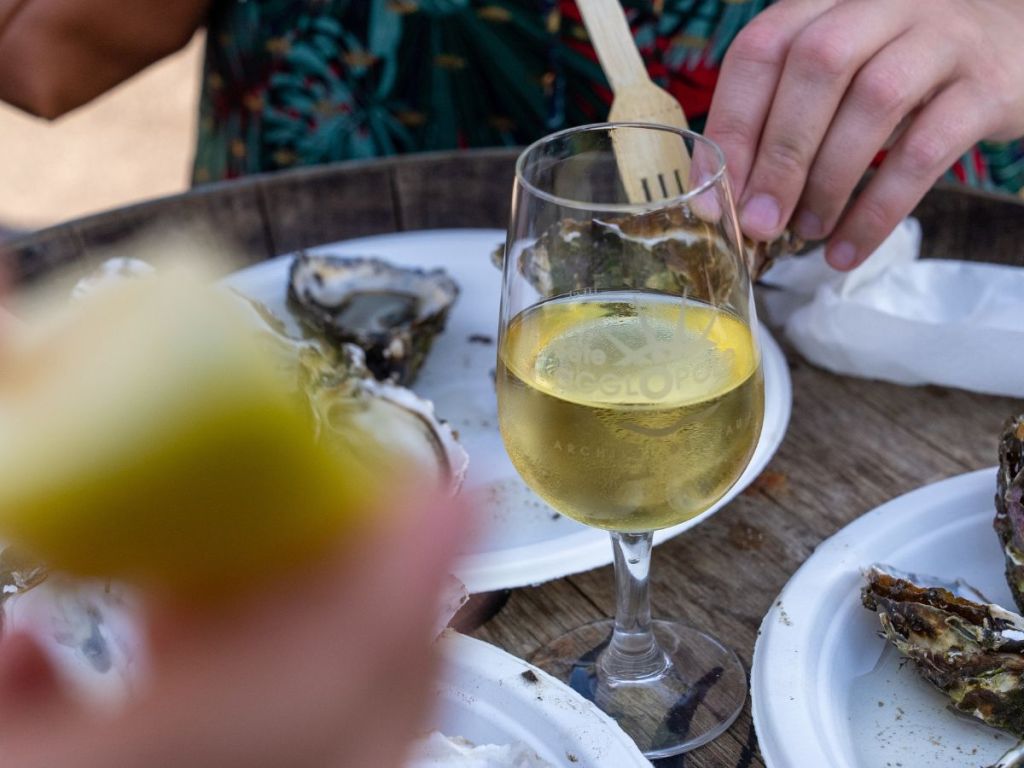
Oysters from the Thau Lagoon and a chilled glass of Picpoul: the taste of the Mediterranean shore © ESTIVALES DE THAU_OT-THAU
Along the shores of the Thau Lagoon, where oyster beds meet vineyard rows, one wine has made itself perfectly at home: Picpoul de Pinet — crisp, mineral, and made for seafood.
A wine of the lagoon
The Picpoul de Pinet appellation extends across a small group of villages between the garrigue and the Étang de Thau. Here, sandy and limestone soils combine with sea air and Mediterranean sunshine to create a terroir unlike any other in France.
In the glass
Floral and citrus on the nose, lively and refreshing on the palate, with the mineral edge that comes from proximity to the sea. The name — Piquepoule in old Occitan — may refer to hens pecking fallen grapes, or to the wine’s lip-tingling acidity.
At the table
The classic pairing is oysters from the Thau Lagoon, harvested a short distance from the vineyards that produced the wine. Clams, grilled fish, and light Mediterranean dishes work equally well. It is one of those rare matches where the geography does all the work.
The Route du Picpoul winds through vineyards with views over the lagoon and its shellfish farming posts — a landscape that is quietly spectacular.
Muscat de Frontignan
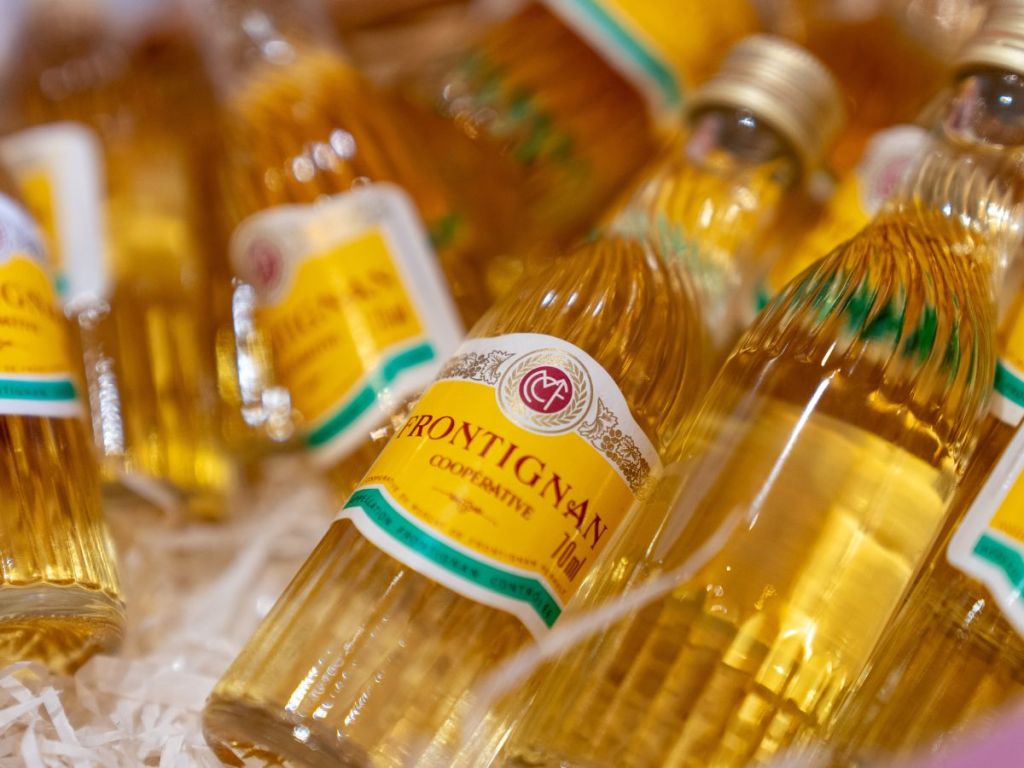
Muscat de Frontignan: liquid gold from the Languedoc coast. © muscat_de_Frontignan-M_RICARD_OT-THAU
A few kilometers from Sète, Frontignan produces one of France’s oldest and most storied sweet wines — a golden Muscat praised for centuries for its aromatic richness and Mediterranean character.
A wine with a long memory Introduced in antiquity by the Greeks and later developed by the Romans, Muscat de Frontignan has a history stretching back more than two thousand years. It became one of the very first French wines to receive AOC status in 1936.
The wine has inspired countless stories over the centuries. Rabelais famously described it as a “divine nectar,” while Louis XIV reportedly drank it for his migraines. Not to mention the legend that Hercules himself is said to be responsible for the twisted shape of the bottle – he supposedly twisted it to extract every last drop, because he loved the wine so much ;).
In the glass with aromas of orange blossom, candied lemon, honey, and apricot, the balance between sweetness and freshness is its great quality —elegant, with a mineral finish and a beautiful pale gold color.
At the table Muscat de Frontignan pairs beautifully with blue cheeses, foie gras, fruit desserts, or sweet-and-savory appetizers served at the beginning of a meal. Served chilled, it works well as an aperitif on warm summer evenings.
Frontignan lies beside the Thau Lagoon, where vineyards, canals, and shimmering light create one of the most distinctive wine landscapes in Occitanie.
Costières de Nîmes
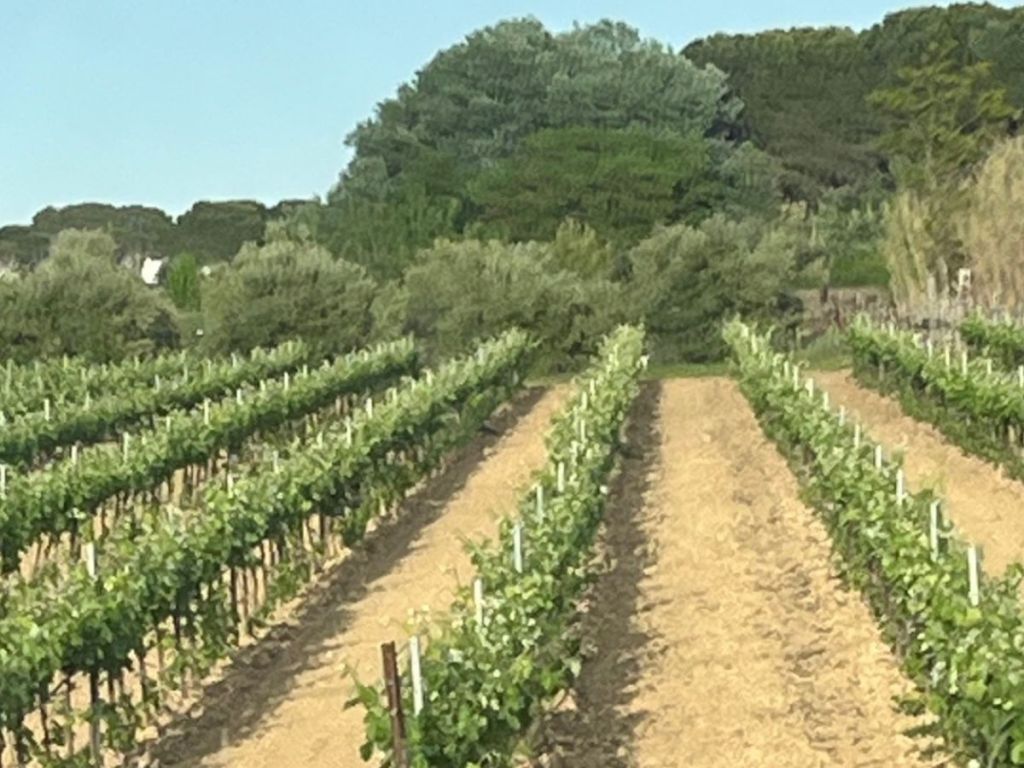
Vineyards in the Gard, in the heart of the Costières-de-Nîmes appellation — © Algoma
Discover Costières de Nîmes: Wine, Sun, and Southern Flavors
When you think of southern France, images of vineyards, sunshine, and relaxed countryside living probably come to mind. Around Nîmes, this vision becomes reality through one of the region’s wine appellations: Costières de Nîmes.
A Vineyard Shaped by the Mediterranean
Located just south of Nîmes, stretching toward the Camargue and the Mediterranean Sea, the Costières de Nîmes vineyard benefits from a unique terroir shaped by sun, wind, and stony soils.
Though officially recognized under its current name since 1989, the region’s winemaking roots go back much further. What makes it especially appealing today is its human scale — many vineyards are still family-owned estates, offering an authentic and welcoming experience.
What Do Costières de Nîmes Wines Taste Like?
The wines of Costières de Nîmes are predominantly red and rosé, with a smaller but noteworthy production of whites.
– Red wines are typically blends of Grenache, Syrah, and Mourvèdre, offering rich, fruity flavors with subtle notes of garrigue — think thyme, rosemary, and warm earth.
– Rosé wines are fresh, vibrant, and perfect for warm southern evenings.
– White wines, made from grapes like Grenache Blanc, Marsanne, and Roussanne, are elegant and refreshing, ideal as an aperitif or paired with seafood.
These are wines that truly reflect the landscape — generous, sun-filled, and deeply rooted in their environment.
Wine Tasting in Nîmes: A Must-Do Experience
For travelers, exploring the Costières de Nîmes vineyards is one of the most rewarding things to do around Nîmes.
Many wineries welcome visitors for tastings, vineyard tours, and relaxed walks through the vines. Even if you’re not a wine expert, the experience is as much about the scenery and atmosphere as it is about the wine itself.
Pair a visit with local gastronomy:
– Red wines with grilled meats or game
– Rosé with fresh salads, quiches, and cheeses
– White wines with fish and Mediterranean dishes
From Vineyards to the Camargue
One of the unique aspects of this wine region is its proximity to the Camargue. Within a short drive, you can move from vineyard landscapes to wild wetlands, pink flamingos, and endless horizons.
It’s this diversity that makes the Nîmes area so special — a place where culture, nature, and gastronomy blend effortlessly.
Why Include It in Your Itinerary
Costières de Nîmes may not be as famous as Bordeaux or Burgundy, but that’s precisely its strength. It offers a more intimate, authentic, and accessible wine experience — perfect for travelers looking to discover a lesser-known side of France.
 Algoma