Jean Racine (1639–1699) is the second great French author we encounter in Uzès, a place that reveals itself, once again, as a land of poetry and literary memory.
Another major figure of French literature, Racine stayed here for nearly two years more than 360 years ago. Essential to French culture, he captured romantic passion and the tragedy of thwarted love with rare intensity. Through plays such as Andromache, Britannicus, Bérénice, and Phèdre, where characters bend under the weight of fate, he became one of those authors every student in France is bound to encounter during their schooling.
Alongside Molière and Pierre Corneille, Racine stands as one of the three great playwrights of the Classical period, which, in literature, corresponds to the second half of the 17th century. Best known for his tragedies—though few in number—he also wrote letters during his time in Uzès, when, in his early twenties, he was attempting to secure an annuity linked to the acquisition of the priory.
It was on a delightful day in January 1661 that he began composing a poem, which he sent to his cousin. In it, he offers a vibrant tribute to the countryside and to life in Uzès, concluding with the enchantingly mysterious line: “And we have nights more beautiful than your days.”
Through these words, Uzès appears not only as a place of passage, but as a source of inspiration — shaping the voice of one of France’s greatest tragedians.
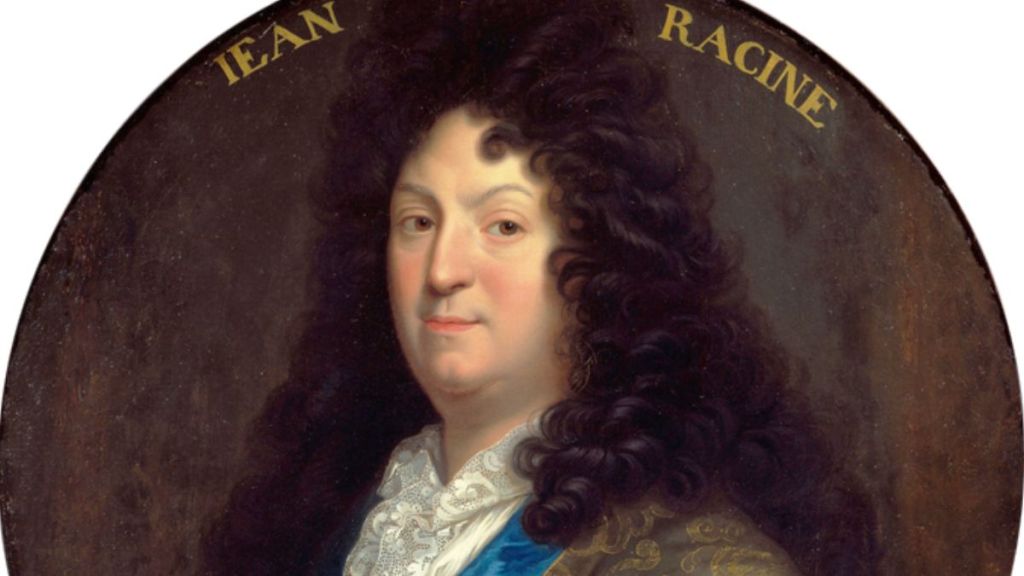
Portrait of Jean Racine (1639-1699) — public domain, Wikimedia Commons
Interested in visiting Uzès?
→ Find a selection of guided tours and activities
If you book through this link, I may receive a small commission at no extra cost to you.
 Algoma